Tell us about the job
Takes about a minute. No obligation.
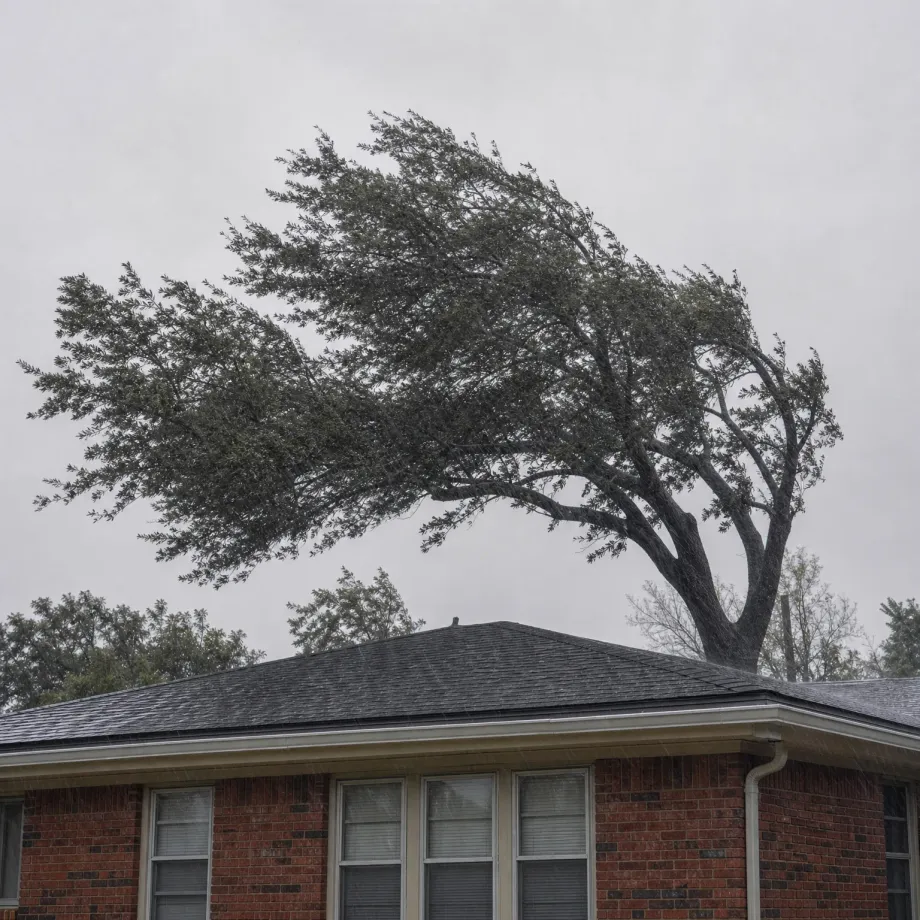
A contractor quoting a heat pump installation in Charlton County is not pricing against a punishing storm record. 26 severe weather events were recorded in Charlton County, Georgia between 2015 and 2024. At that rate, severe weather is an occasional event rather than a steady operating condition, so what drives sizing and installation decisions here is the specific house, its orientation, its construction, and how the previous system was set up. A sloppy install in a mild county will underperform a careful one in a rough one, and that is the variable a contractor has to get right before anything else.
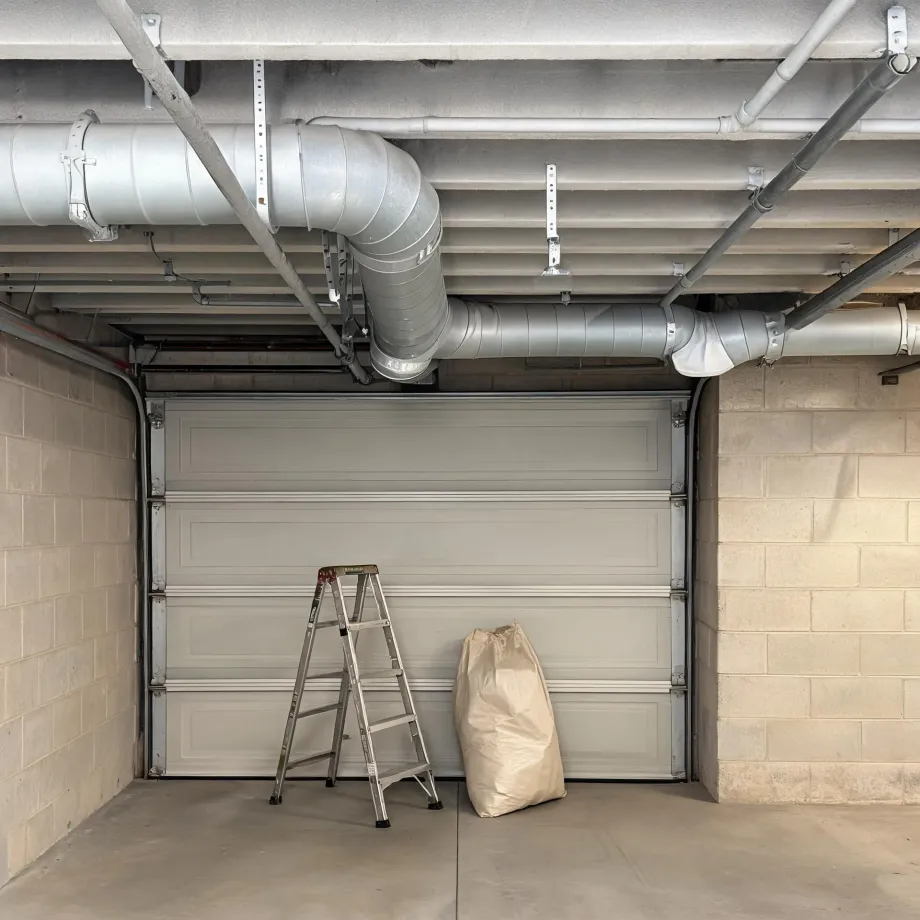
Ductwork sized and routed for a conventional system does not automatically serve a heat pump well. Half the homes in Charlton County, Georgia were built in 1987 or earlier (2020-2024 ACS 5-year). That stock carries ducts laid out for heating and cooling loads that a heat pump distributes differently, and a contractor installing one here opens walls or pulls access panels to find out what the existing runs will actually handle before selecting or pricing the new unit. The electrical service in houses of that age also gets checked against what the heat pump draws, since panel capacity is not assumed.
What a Heat Pump Installation Covers
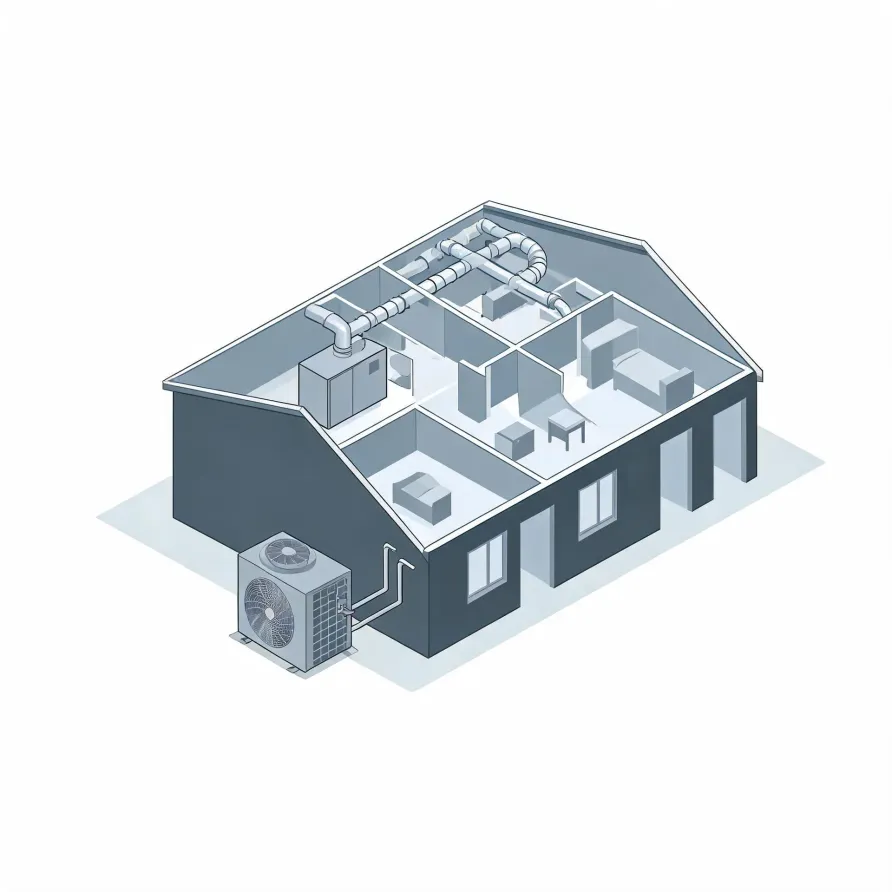
The outdoor unit sits on a pad beside the house and holds the compressor and condenser coil, which are the core of what a contractor sets in place. Inside, the air handler mounts in a utility space, closet, or attic and moves conditioned air through the home. These two units are what a homeowner is buying when they commission a heat pump installation.
Copper refrigerant lines run between the outdoor unit and the air handler, and a contractor routes and connects them as part of the same installation. A thermostat on an interior wall ties the whole system together, giving the homeowner control over when and how the equipment runs.
The drawing shows a typical layout, and a licensed contractor determines exactly what applies to this house.
Get matched in Charlton CountyCharlton County by the numbers
26 severe weather events were recorded in Charlton County, Georgia between 2015 and 2024.
NOAA National Centers for Environmental Information, Storm Events Database, bulk CSV export, events 2015-01-01 through 2024-12-31.Half the homes in Charlton County, Georgia were built in 1987 or earlier (2020-2024 ACS 5-year).
U.S. Census Bureau, 2020-2024 American Community Survey 5-Year EstimatesCharlton County, Georgia holds 4,755 housing units (2020-2024 ACS 5-year).
U.S. Census Bureau, 2020-2024 American Community Survey 5-Year EstimatesOwners occupy 80.1% of the occupied homes in Charlton County, Georgia (2020-2024 ACS 5-year).
U.S. Census Bureau, 2020-2024 American Community Survey 5-Year EstimatesSevere Weather Events in Charlton County
Weather shapes how hard a heat pump has to work and for how long. What a county sees over the years sets the real baseline for sizing and selecting equipment, which is why local installation is not a one-size answer.
26 severe weather events, 2015–2024. Source: NOAA National Centers for Environmental Information, Storm Events Database.