Tell us about the job
Takes about a minute. No obligation.
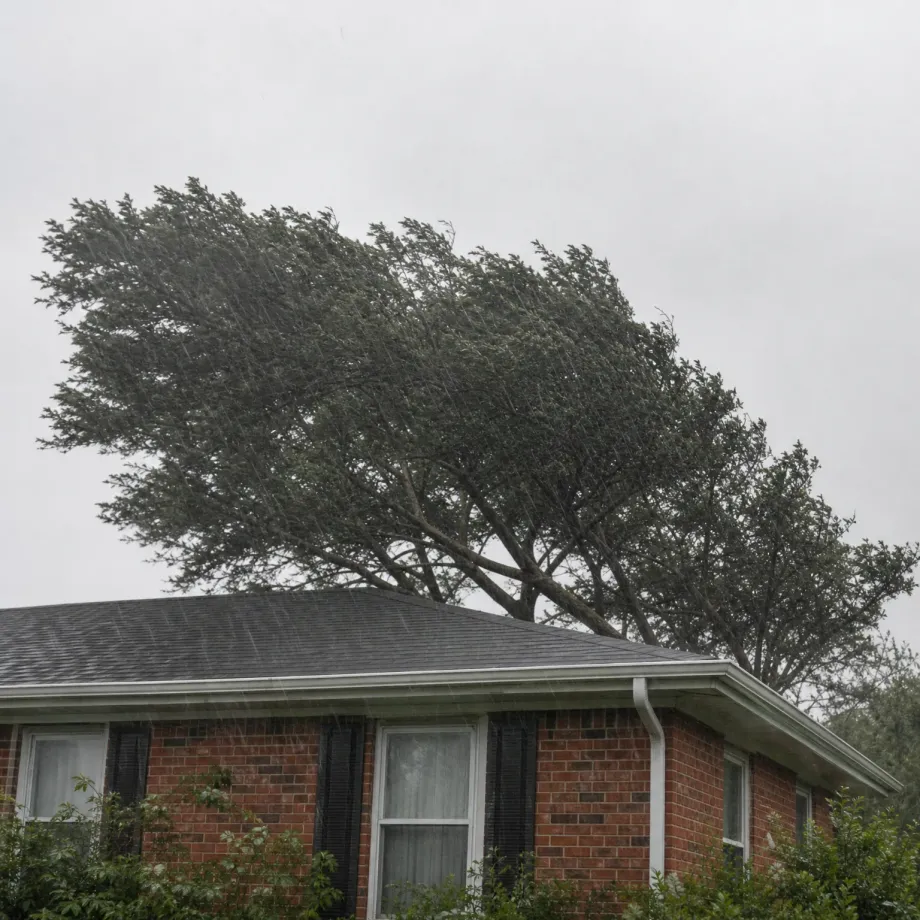
A contractor called out to repair a heat pump in Fayette County has to work out what actually wore the system down before they can price the job or recommend parts. 87 severe weather events were recorded in Fayette County, Georgia between 2015 and 2024. That puts this county in a range where severe weather is real but not relentless, which means the outdoor coil or compressor that failed probably failed because of how old it is or how it was installed and serviced, not because the climate ground it down faster than it would go anywhere else. Refrigerant charge, filter history, and the condition of electrical contacts tell the story a contractor needs, and those point to maintenance gaps more often than to storm load.
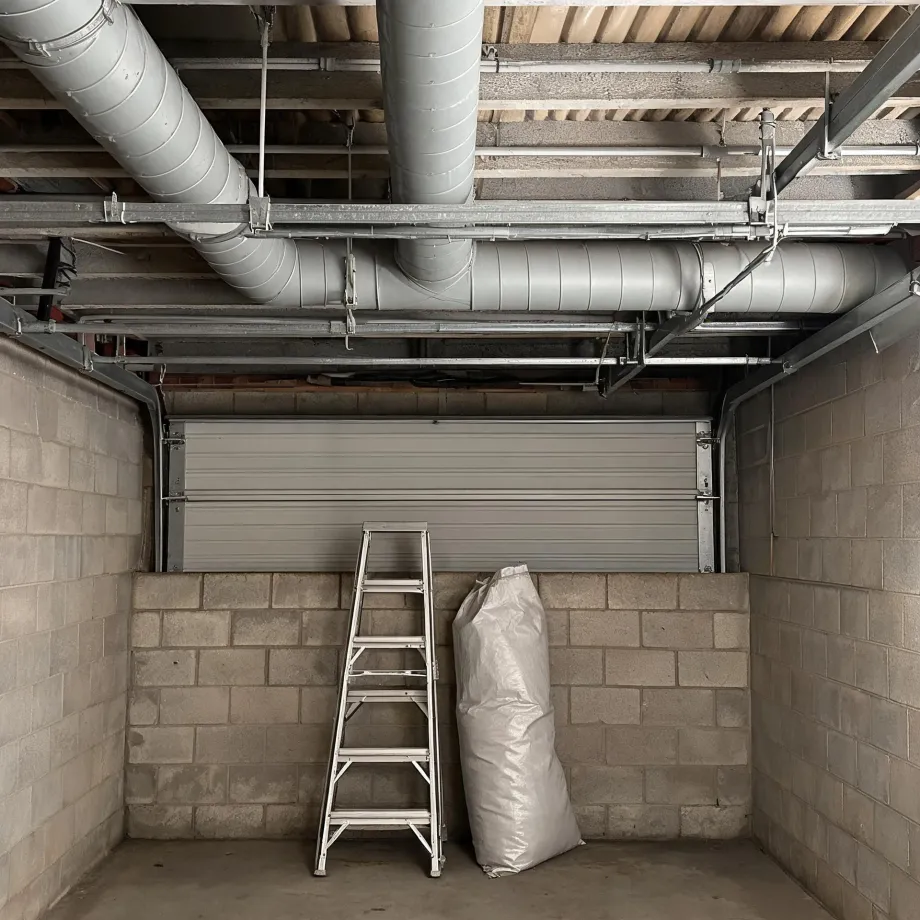
Heat pumps installed into Fayette County's older housing stock have been running long enough that what a contractor finds inside a opened unit is the variable that determines how the job goes. Half the homes in Fayette County, Georgia were built in 1993 or earlier (2020-2024 ACS 5-year). A house built in that era was not designed around a heat pump, which means the unit inside it was retrofitted at some point since, and the refrigerant circuit, contactors, and reversing valve it runs on may belong to a generation of equipment whose replacement parts have grown harder to source. The contractor's first task is identifying exactly what that system takes, then confirming those parts are still made.
The Parts of a Heat Pump a Contractor Checks First
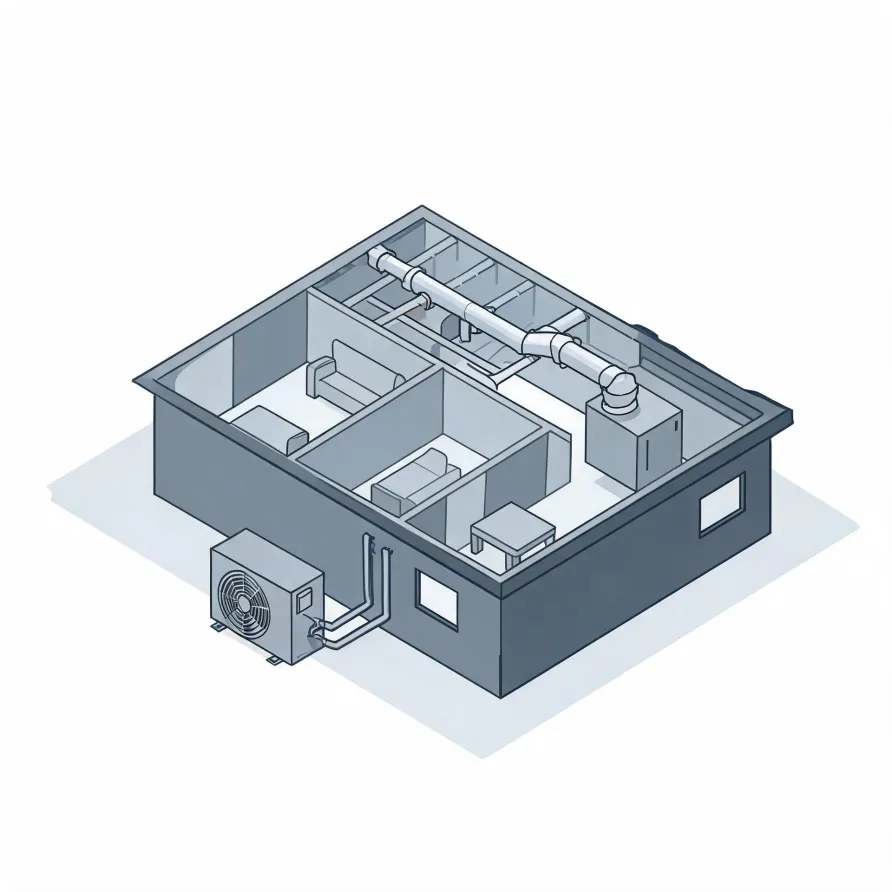
The outdoor unit sits on a pad beside the house and holds the compressor, which is the piece contractors go to first when a heat pump stops heating or cooling properly. The compressor moves refrigerant through the system; when it labors or fails, the whole system feels it. The outdoor coil and the fan motor that pulls air across it are in the same cabinet and are checked alongside it.
Inside the house, the air handler holds the indoor coil and the blower motor that pushes conditioned air into the living space. A refrigerant line set runs between the two units, and the reversing valve inside the system controls which direction the refrigerant flows. The expansion valve, the capacitors, and the contactor are smaller components that contractors examine when the main pieces test out fine.
The drawing shows a typical layout, and a licensed contractor determines which components apply to your specific house and situation.
Get matched in Fayette CountyFayette County, by the record
87 severe weather events were recorded in Fayette County, Georgia between 2015 and 2024.
NOAA National Centers for Environmental Information, Storm Events Database, bulk CSV export, events 2015-01-01 through 2024-12-31.Half the homes in Fayette County, Georgia were built in 1993 or earlier (2020-2024 ACS 5-year).
U.S. Census Bureau, 2020-2024 American Community Survey 5-Year EstimatesFayette County, Georgia holds 46,453 housing units (2020-2024 ACS 5-year).
U.S. Census Bureau, 2020-2024 American Community Survey 5-Year EstimatesOwners occupy 80.1% of the occupied homes in Fayette County, Georgia (2020-2024 ACS 5-year).
U.S. Census Bureau, 2020-2024 American Community Survey 5-Year EstimatesSevere Weather Events in Fayette County
Weather puts real mechanical stress on heat pump systems, and how hard that equipment works over time shapes how often it needs repair. What happens in Fayette County stays local to the contractors who know these conditions.
87 severe weather events, 2015–2024. Source: NOAA National Centers for Environmental Information, Storm Events Database.