Tell us about the job
Takes about a minute. No obligation.
A contractor quoting a heat pump install in Clarke County has to size the system for what the house actually demands, not for weather extremes that rarely arrive. 61 severe weather events were recorded in Clarke County, Georgia between 2015 and 2024. The compressor and refrigerant lines in this county spend most of their life running against ordinary seasonal load, so failures that show up at install or shortly after point to undersizing or poor commissioning rather than storm wear. A contractor who prices a replacement here prices it around the house's envelope, duct condition, and the quality of what was put in before.
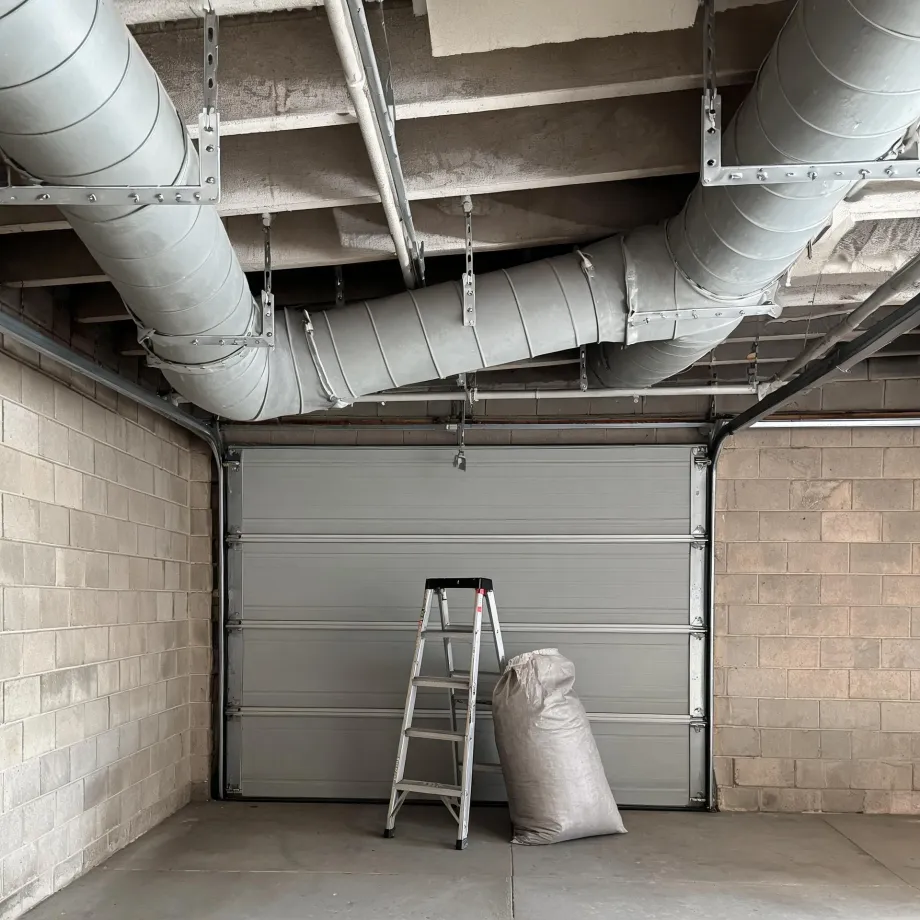
Ductwork laid down for older equipment is the first thing a contractor opens and checks before a heat pump installation can be priced accurately. Half the homes in Clarke County, Georgia were built in 1987 or earlier (2020-2024 ACS 5-year). That vintage of construction was ducted around systems with different airflow demands than a heat pump carries, so the existing duct layout and electrical service are what the contractor has to size against the new unit, not the other way around. A panel that was adequate then may need assessment before a new system can draw on it.
What a Heat Pump Installation Puts in Your Home
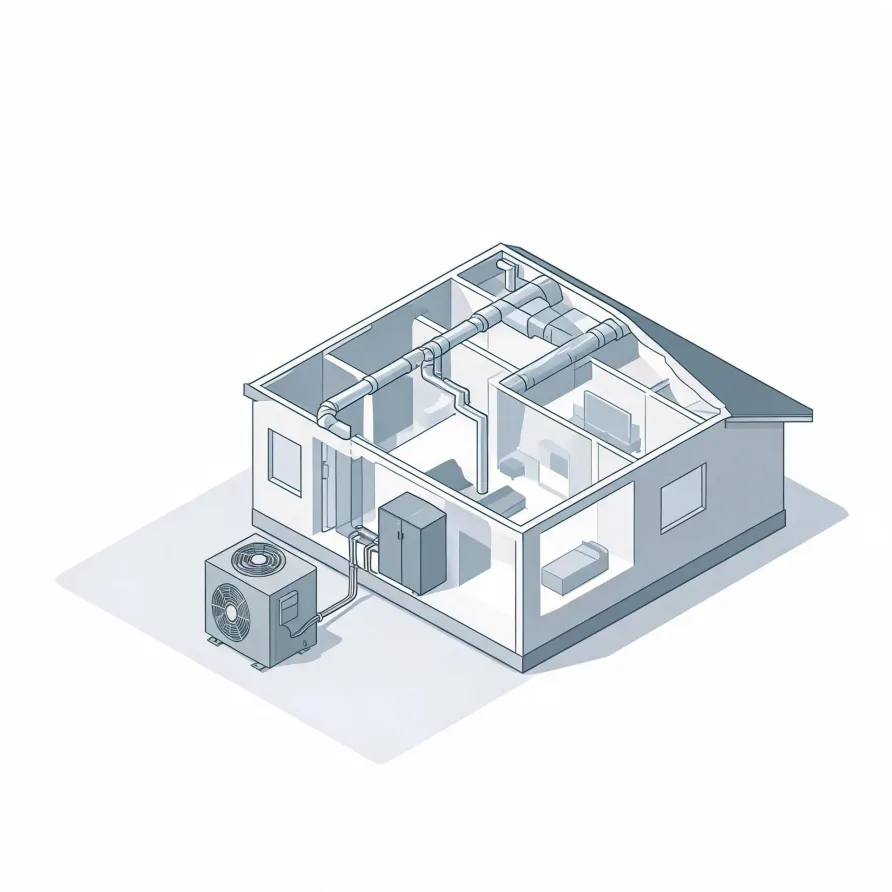
The outdoor unit sits on a pad beside the house and holds the compressor and coil that do the system's core work. Inside, an air handler mounts in a closet, attic, or utility room and moves conditioned air through the home. Together these two units are what a heat pump installation puts in place.
A refrigerant line set runs between the outdoor and indoor units, connecting them through an exterior wall. A thermostat mounts on an interior wall and gives you control over the whole system. Most installations also include a condensate drain line that carries moisture from the air handler to a floor drain or outside.
The drawing shows a typical layout, and a licensed contractor determines exactly how each piece fits your house.
Find a contractor in Clarke CountyClarke County by the Numbers
61 severe weather events were recorded in Clarke County, Georgia between 2015 and 2024.
NOAA National Centers for Environmental Information, Storm Events Database, bulk CSV export, events 2015-01-01 through 2024-12-31.Half the homes in Clarke County, Georgia were built in 1987 or earlier (2020-2024 ACS 5-year).
U.S. Census Bureau, 2020-2024 American Community Survey 5-Year EstimatesClarke County, Georgia holds 57,918 housing units (2020-2024 ACS 5-year).
U.S. Census Bureau, 2020-2024 American Community Survey 5-Year EstimatesOwners occupy 41.4% of the occupied homes in Clarke County, Georgia (2020-2024 ACS 5-year).
U.S. Census Bureau, 2020-2024 American Community Survey 5-Year EstimatesSevere Weather Events in Clarke County
Georgia's climate puts real demands on heating and cooling equipment, and Clarke County's weather record is part of that picture. A heat pump sized and installed for local conditions handles those demands better than one that was not.
61 severe weather events, 2015–2024. Source: NOAA National Centers for Environmental Information, Storm Events Database.