Tell us about the job
Takes about a minute. No obligation.
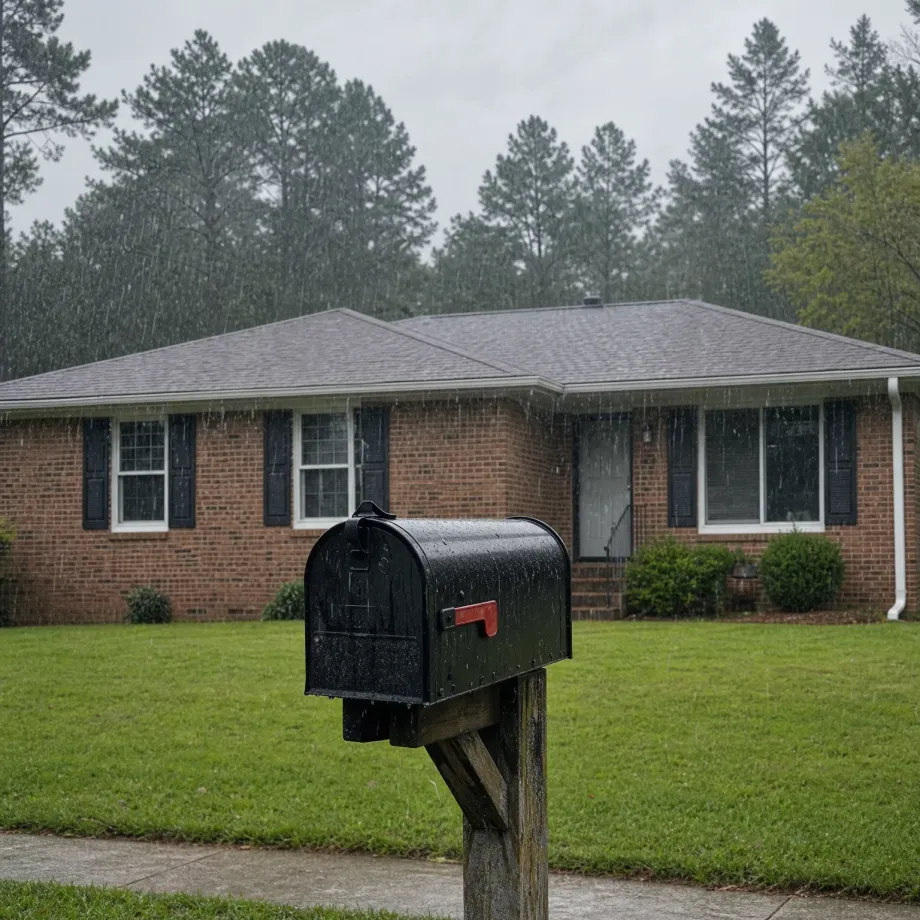
A heat pump installer in Whitfield County works out load conditions before anything else, because the climate here is not a mild backdrop for standard equipment choices. 115 severe weather events were recorded in Whitfield County, Georgia between 2015 and 2024. At that rate, severe weather is a standing feature of life in this area, and it shapes what sizing decisions a contractor makes before a unit is ever ordered. A system spec'd for a quieter operating environment will be undersized for what this county regularly delivers, and the install reflects that from the first calculation forward.
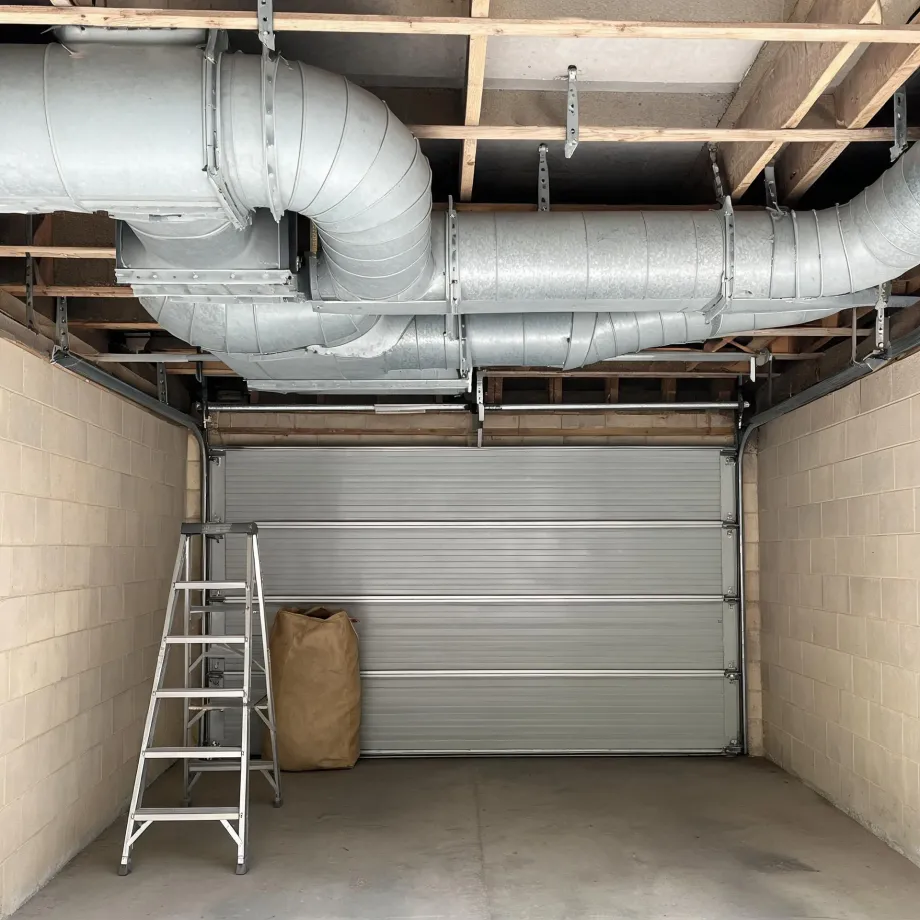
Ductwork and electrical panels in houses of this vintage were designed around equipment with a different load profile than a heat pump carries. Half the homes in Whitfield County, Georgia were built in 1987 or earlier (2020-2024 ACS 5-year). A contractor quoting a heat pump installation here has to open the panel and check what the existing service can actually handle, because a panel that was adequate for what the house originally ran may not support what a heat pump draws. That check shapes the scope and the price before the equipment selection does.
What a Heat Pump Installation Covers
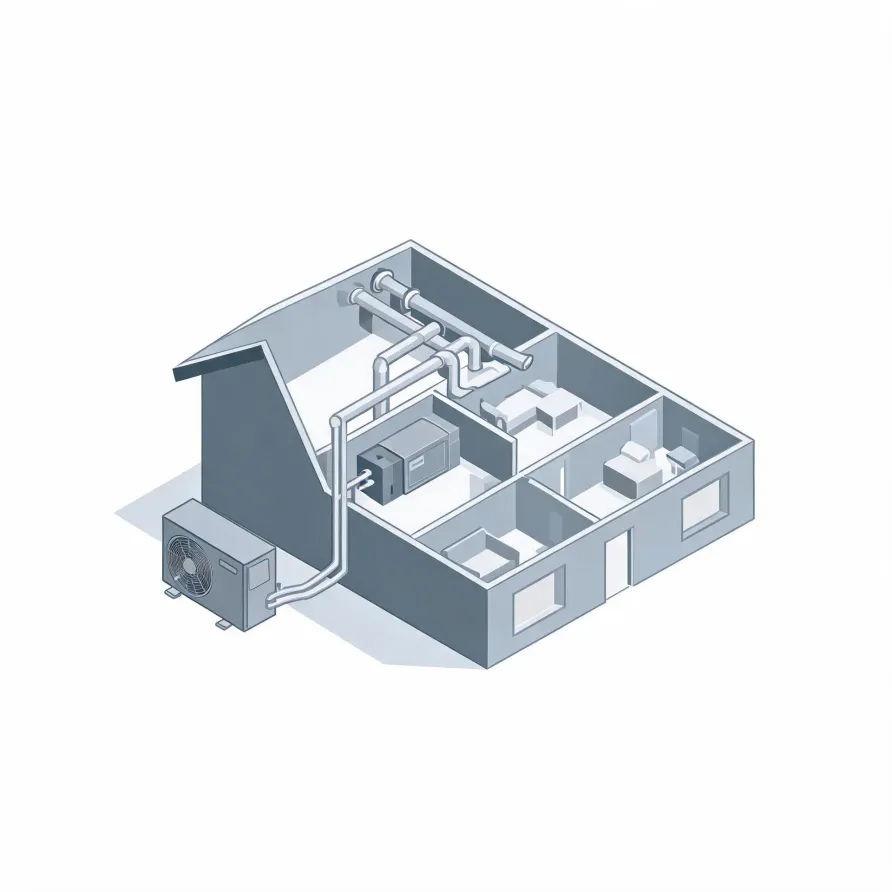
The outdoor unit is the piece a homeowner sees first, mounted on a pad beside the house, and it holds the compressor and the outdoor coil that do the core work of moving heat. Inside, an air handler sits in a closet, attic, or utility space and circulates conditioned air through the home. Both units go in during installation.
A refrigerant line set runs between the two units, connecting the outdoor pad to the air handler, and a condensate drain line carries moisture away from the indoor side. A thermostat mounts on an interior wall and is the control point the homeowner interacts with day to day.
The drawing shows a typical layout, and a licensed contractor determines what the installation covers in your specific house.
Get matched in Whitfield CountyWhitfield County, by the numbers
115 severe weather events were recorded in Whitfield County, Georgia between 2015 and 2024.
NOAA National Centers for Environmental Information, Storm Events Database, bulk CSV export, events 2015-01-01 through 2024-12-31.Half the homes in Whitfield County, Georgia were built in 1987 or earlier (2020-2024 ACS 5-year).
U.S. Census Bureau, 2020-2024 American Community Survey 5-Year EstimatesWhitfield County, Georgia holds 39,806 housing units (2020-2024 ACS 5-year).
U.S. Census Bureau, 2020-2024 American Community Survey 5-Year EstimatesOwners occupy 67.0% of the occupied homes in Whitfield County, Georgia (2020-2024 ACS 5-year).
U.S. Census Bureau, 2020-2024 American Community Survey 5-Year EstimatesSevere Weather Events in Whitfield County
Whitfield County's climate puts real pressure on heating and cooling equipment over time. How hard a heat pump works, and how long it lasts, is a local question shaped by what the weather here actually does.
115 severe weather events, 2015–2024. Source: NOAA National Centers for Environmental Information, Storm Events Database.