Tell us about the job
Takes about a minute. No obligation.
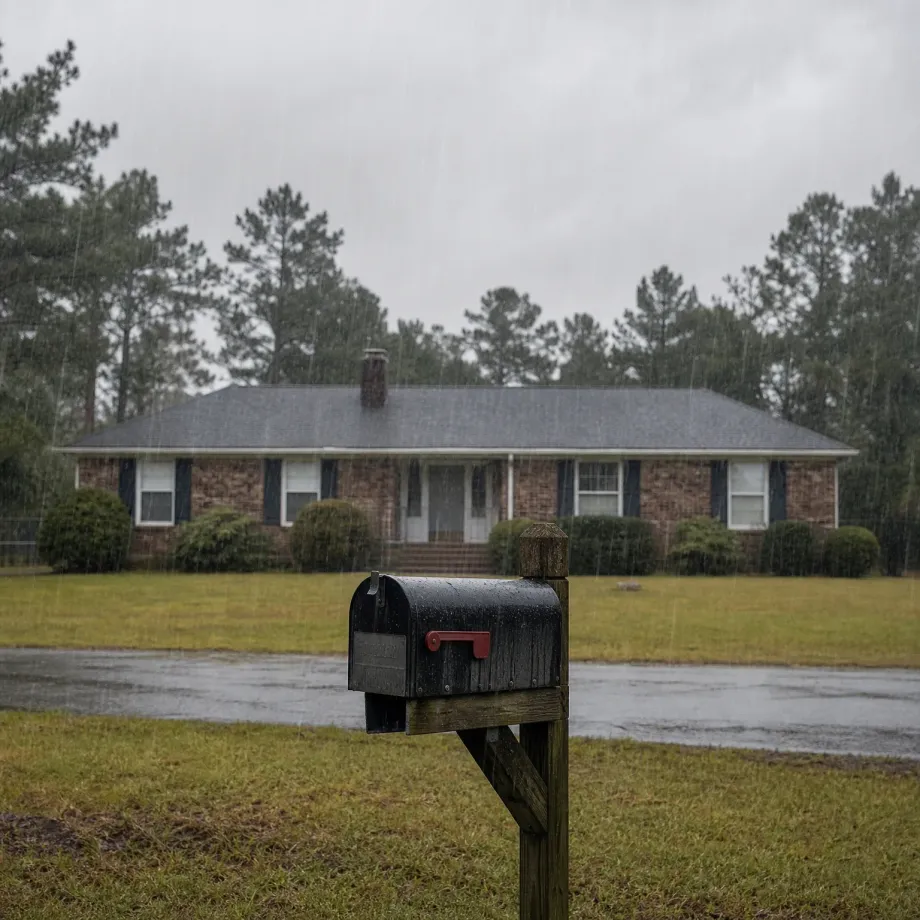
A contractor diagnosing a heat pump repair in Lamar County has to decide what actually wore the system down. 25 severe weather events were recorded in Lamar County, Georgia between 2015 and 2024. At that rate, severe weather is an event in this county, not a background condition every system has been grinding against. A compressor that gives out here most likely failed because of age, a poor original installation, or skipped service intervals. The contractor will check refrigerant levels, electrical contacts, and whether the unit was ever properly sized for the house, because those are the variables that decide what broke and what the repair costs.
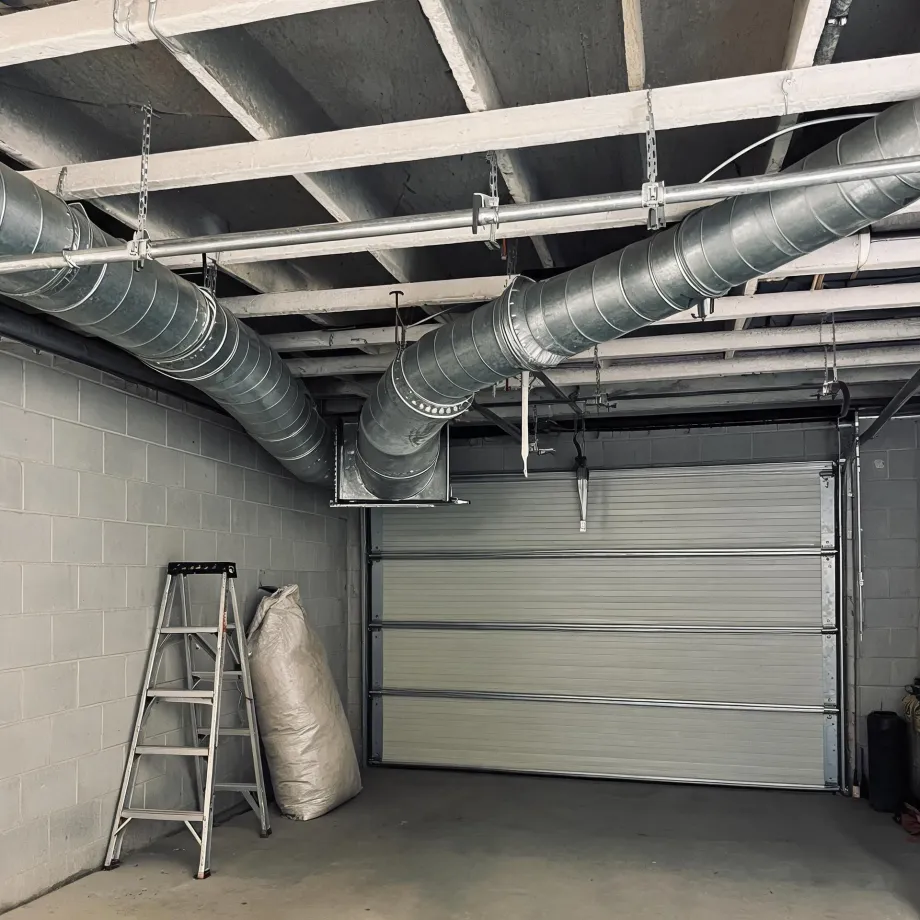
Ductwork and wiring that have outlasted multiple rounds of equipment tell a contractor very little about what they will find once the unit is open. Half the homes in Lamar County, Georgia were built in 1988 or earlier (2020-2024 ACS 5-year). A heat pump that has been retrofitted into housing of that vintage may carry components from a discontinued line, and a contractor who opens it cannot assume the part they need is still being made. That search for a compatible part, and whether one exists at all, is often what decides the repair bill.
The Parts of a Heat Pump a Contractor Checks First
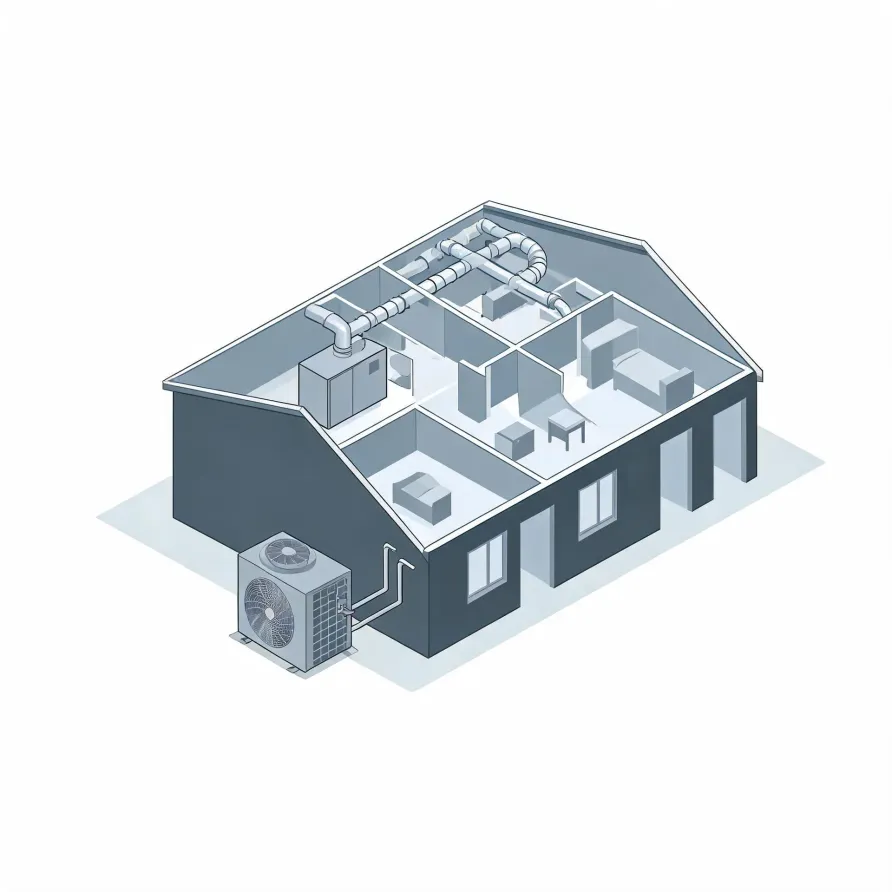
The outdoor unit sits outside the house and holds the compressor and condenser coil. These are the workhorses of the system. When a heat pump stops heating or cooling, or runs but does nothing useful, the compressor and its surrounding components are where a contractor looks first.
Inside the house, the air handler holds the evaporator coil and the blower that moves conditioned air through your home. The reversing valve, which sits in the refrigerant line between the two units, is what lets the system switch between heating and cooling modes. A failed reversing valve is one of the more distinct faults a contractor can diagnose, because the symptom is a system that works in one mode but not the other.
The drawing shows a typical layout, and a licensed contractor determines which components apply to your specific installation.
Get matched in Lamar CountyLamar County, by the numbers
25 severe weather events were recorded in Lamar County, Georgia between 2015 and 2024.
NOAA National Centers for Environmental Information, Storm Events Database, bulk CSV export, events 2015-01-01 through 2024-12-31.Half the homes in Lamar County, Georgia were built in 1988 or earlier (2020-2024 ACS 5-year).
U.S. Census Bureau, 2020-2024 American Community Survey 5-Year EstimatesLamar County, Georgia holds 7,866 housing units (2020-2024 ACS 5-year).
U.S. Census Bureau, 2020-2024 American Community Survey 5-Year EstimatesOwners occupy 75.7% of the occupied homes in Lamar County, Georgia (2020-2024 ACS 5-year).
U.S. Census Bureau, 2020-2024 American Community Survey 5-Year EstimatesSevere Weather Events in Lamar County
Extreme weather puts heat pumps under stress they were not built to absorb indefinitely. How often that happens here shapes how hard local equipment works and how soon it needs attention.
25 severe weather events, 2016–2024. Source: NOAA National Centers for Environmental Information, Storm Events Database.