Tell us about the job
Takes about a minute. No obligation.
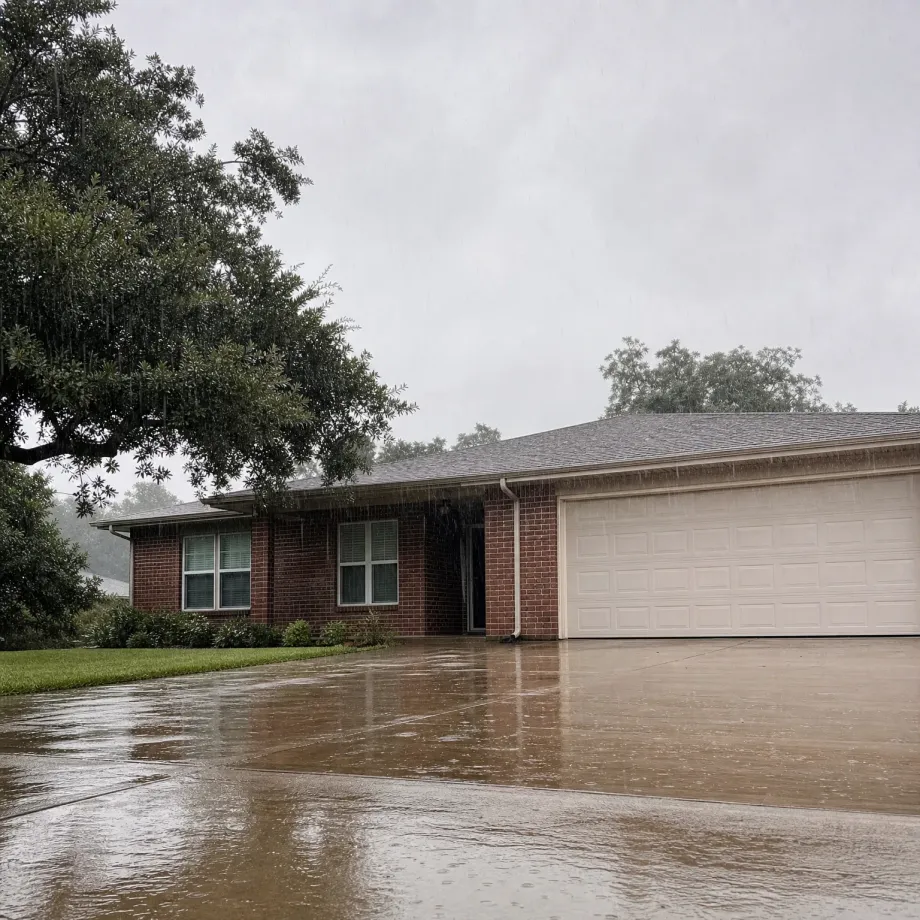
Sizing a heat pump for Tattnall County starts with what the climate asks of the equipment, not with a catalog default. 76 severe weather events were recorded in Tattnall County, Georgia between 2015 and 2024. At that rate, severe weather is a regular feature of operating conditions here, and a contractor who ignores it will undersize the unit or choose components rated for easier conditions. The result shows up in shortened run life and early compressor strain. A contractor quoting an install in this county works out the real load first, then selects accordingly.
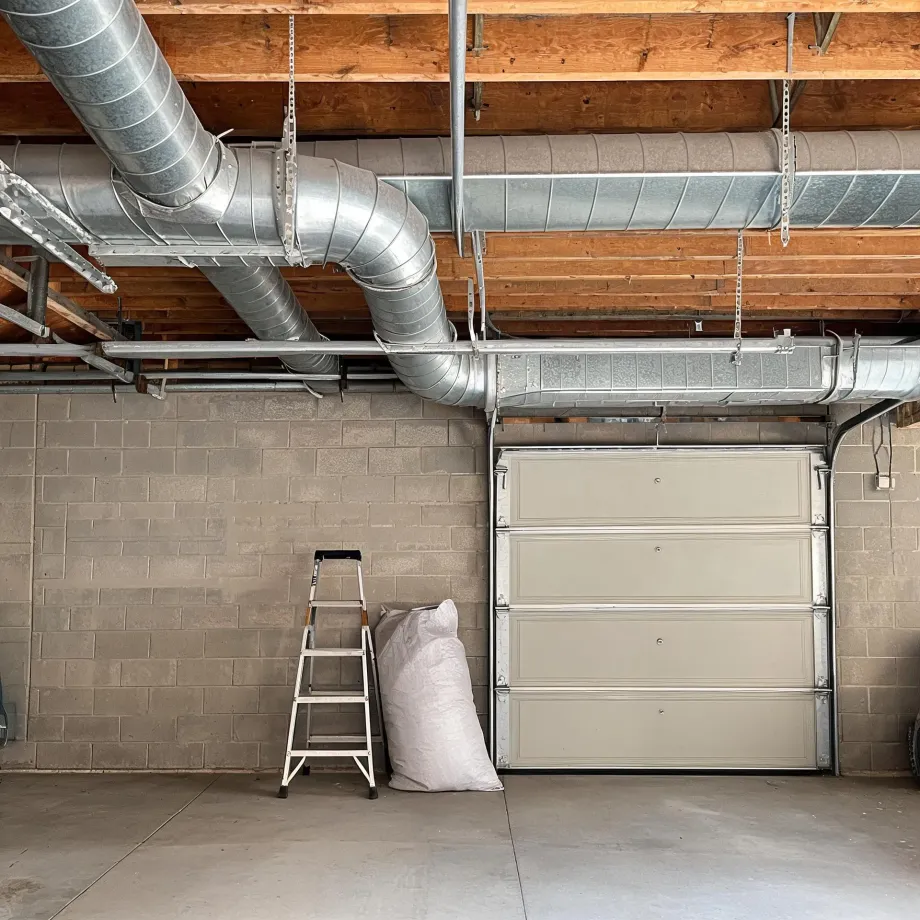
Ductwork laid out for older equipment carries assumptions about airflow that a heat pump does not share, and in Tattnall County's housing stock those assumptions are baked into the fabric of the house. Half the homes in Tattnall County, Georgia were built in 1987 or earlier (2020-2024 ACS 5-year). A contractor installing a heat pump here checks whether existing duct runs and returns can move the volumes a modern system needs, because if they cannot, the duct work becomes part of the job. The electrical panel gets the same look, since the service in houses of this age was sized for what was standard at the time.
What a Heat Pump Install Puts in Your Home
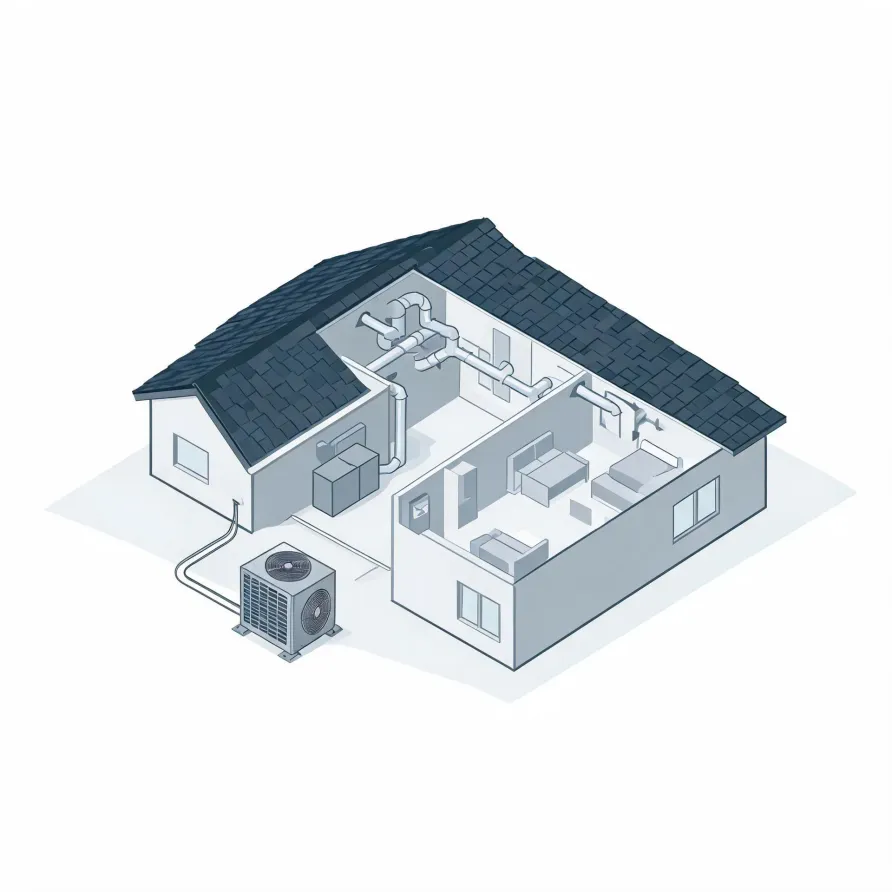
The outdoor unit sits on a pad beside the house and holds the compressor and the refrigerant coil that do most of the system's work. Inside, the air handler mounts in a utility space, closet, or attic and moves conditioned air through the home. Together these two units are what a contractor sets in place.
A refrigerant line set runs between the outdoor unit and the air handler, carrying refrigerant back and forth through insulated copper tubing. A condensate drain line runs from the air handler to a safe discharge point, and a thermostat goes on an interior wall where it can read the living space.
The drawing shows the general layout of these components, and a licensed contractor determines exactly how each one applies to your house.
Get matched in Tattnall CountyTattnall County, by the numbers
76 severe weather events were recorded in Tattnall County, Georgia between 2015 and 2024.
NOAA National Centers for Environmental Information, Storm Events Database, bulk CSV export, events 2015-01-01 through 2024-12-31.Half the homes in Tattnall County, Georgia were built in 1987 or earlier (2020-2024 ACS 5-year).
U.S. Census Bureau, 2020-2024 American Community Survey 5-Year EstimatesTattnall County, Georgia holds 9,405 housing units (2020-2024 ACS 5-year).
U.S. Census Bureau, 2020-2024 American Community Survey 5-Year EstimatesOwners occupy 71.0% of the occupied homes in Tattnall County, Georgia (2020-2024 ACS 5-year).
U.S. Census Bureau, 2020-2024 American Community Survey 5-Year EstimatesSevere Weather Events in Tattnall County
Weather puts a load on heating and cooling equipment, and that load shapes what a system needs to handle over its working life. What storms do in this part of Georgia is a real factor in how a heat pump is sized and specified.
76 severe weather events, 2015–2024. Source: NOAA National Centers for Environmental Information, Storm Events Database.