Tell us about the job
Takes about a minute. No obligation.
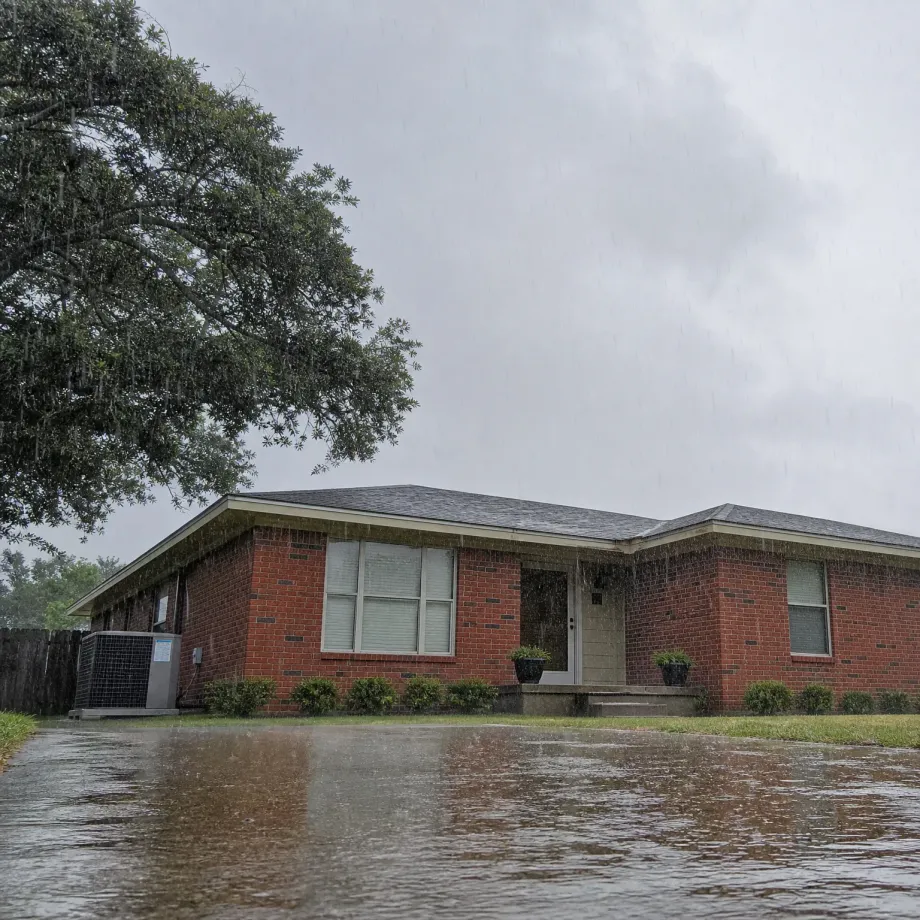
A heat pump quoted and installed in Wayne County has to be sized for what this area actually puts on it, and the outdoor climate is a working variable, not a footnote. 83 severe weather events were recorded in Wayne County, Georgia between 2015 and 2024. At that rate, severe weather is a recurring condition rather than a rare one, which means a contractor setting up a new system here prices the equipment and the installation around a genuine load. Ductwork sealing, refrigerant line placement, and unit siting all carry more weight in a county where the system will be pushed regularly from the day it starts running.
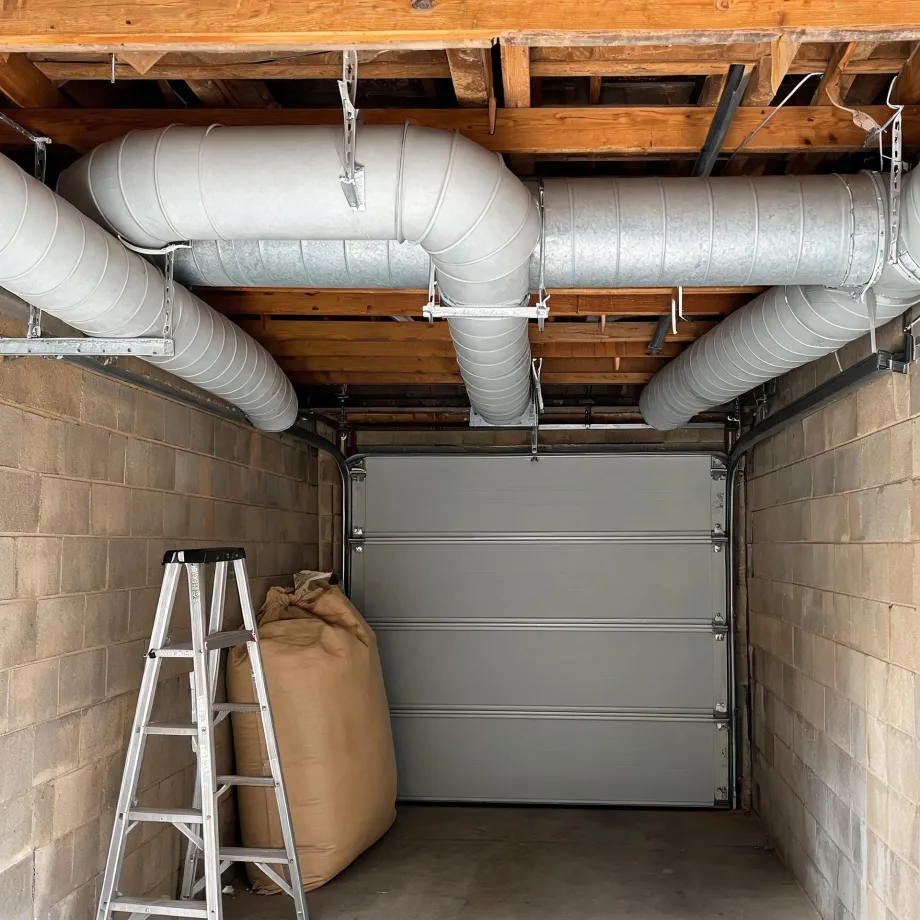
Ductwork and electrical panels are what a heat pump installation in Wayne County actually turns on, and both of those were built to carry something other than what is going into the house today. Half the homes in Wayne County, Georgia were built in 1989 or earlier (2020-2024 ACS 5-year). Equipment designed for current heat pump loads draws differently than what most of this housing stock was wired around, so a contractor has to open the panel and check the service capacity before the equipment selection is final.
What a Heat Pump Installation Covers
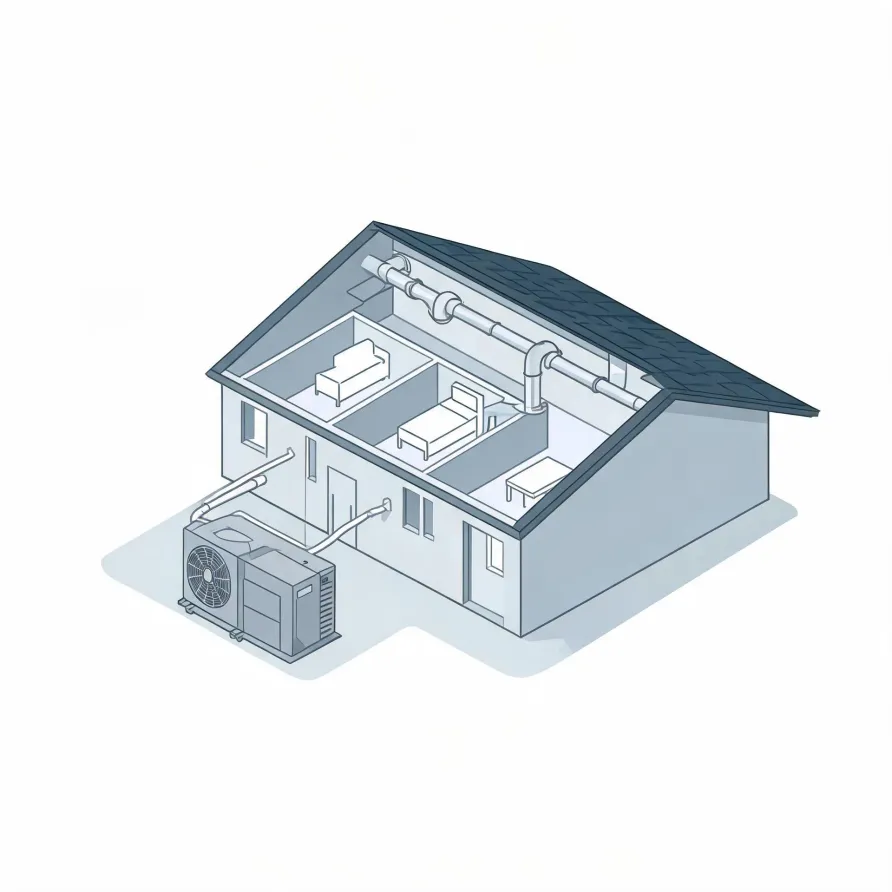
The outdoor unit sits on a pad beside the house and holds the compressor and the refrigerant coil that do the core work of the system. Inside, the air handler mounts in a utility closet, basement, or attic and circulates conditioned air through the home. Both units arrive as new equipment on an installation job.
A refrigerant line set runs between the two units, connecting the outdoor and indoor sides into one working system. The thermostat goes on an interior wall where it reads the home's temperature and tells the system when to run. Some homes also get a supplemental electric resistance element inside the air handler, which a contractor fits alongside it.
The drawing shows a typical layout, and a licensed contractor determines exactly what applies to your house.
Get matched in Wayne CountyWayne County, Georgia, by the numbers
83 severe weather events were recorded in Wayne County, Georgia between 2015 and 2024.
NOAA National Centers for Environmental Information, Storm Events Database, bulk CSV export, events 2015-01-01 through 2024-12-31.Half the homes in Wayne County, Georgia were built in 1989 or earlier (2020-2024 ACS 5-year).
U.S. Census Bureau, 2020-2024 American Community Survey 5-Year EstimatesWayne County, Georgia holds 12,704 housing units (2020-2024 ACS 5-year).
U.S. Census Bureau, 2020-2024 American Community Survey 5-Year EstimatesOwners occupy 67.3% of the occupied homes in Wayne County, Georgia (2020-2024 ACS 5-year).
U.S. Census Bureau, 2020-2024 American Community Survey 5-Year EstimatesSevere Weather Events in Wayne County
Weather puts a measurable load on heating and cooling equipment, and that load varies by location. What hits Wayne County shapes how hard a heat pump has to work and what it has to be sized to handle.
83 severe weather events, 2015–2024. Source: NOAA National Centers for Environmental Information, Storm Events Database.