Tell us about the job
Takes about a minute. No obligation.
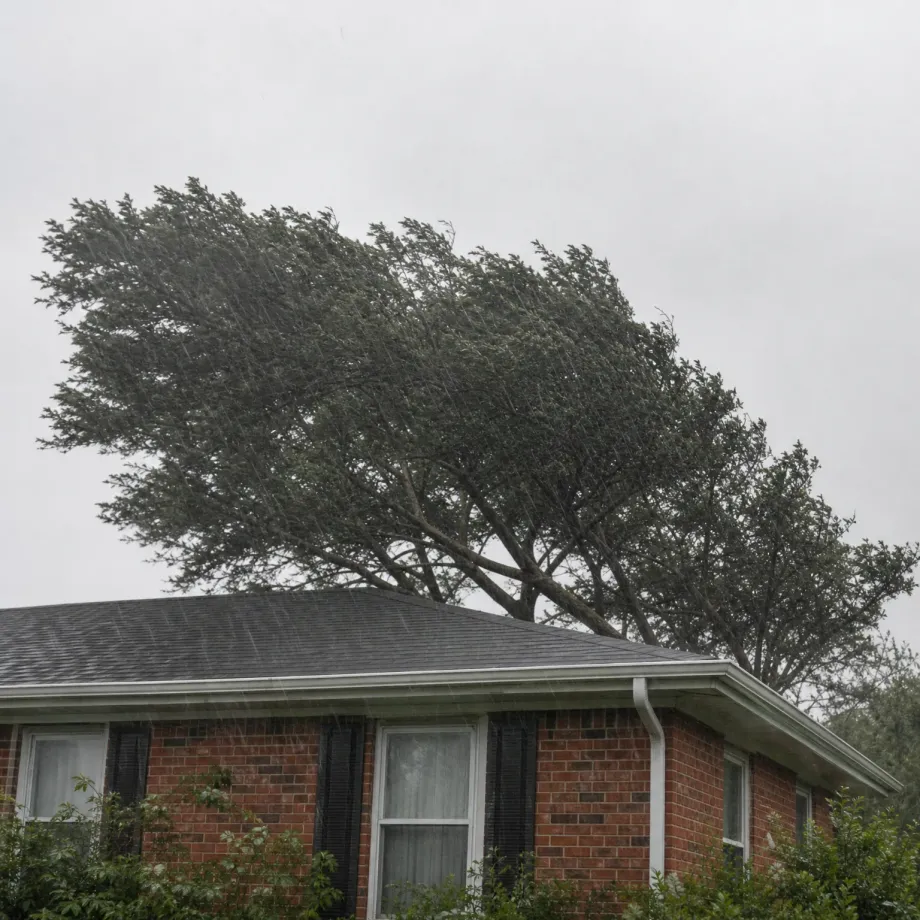
Sizing a heat pump in Camden County starts with what the area actually puts the system through. 83 severe weather events were recorded in Camden County, Georgia between 2015 and 2024. At that rate, severe weather is a recurring condition rather than an occasional one, and a contractor who treats it as background noise will undersize the equipment or skip installation details that the climate demands. Refrigerant line runs, electrical supply, and mounting all have to be specified for a system that will work hard through genuine weather pressure, not catalog-average load.
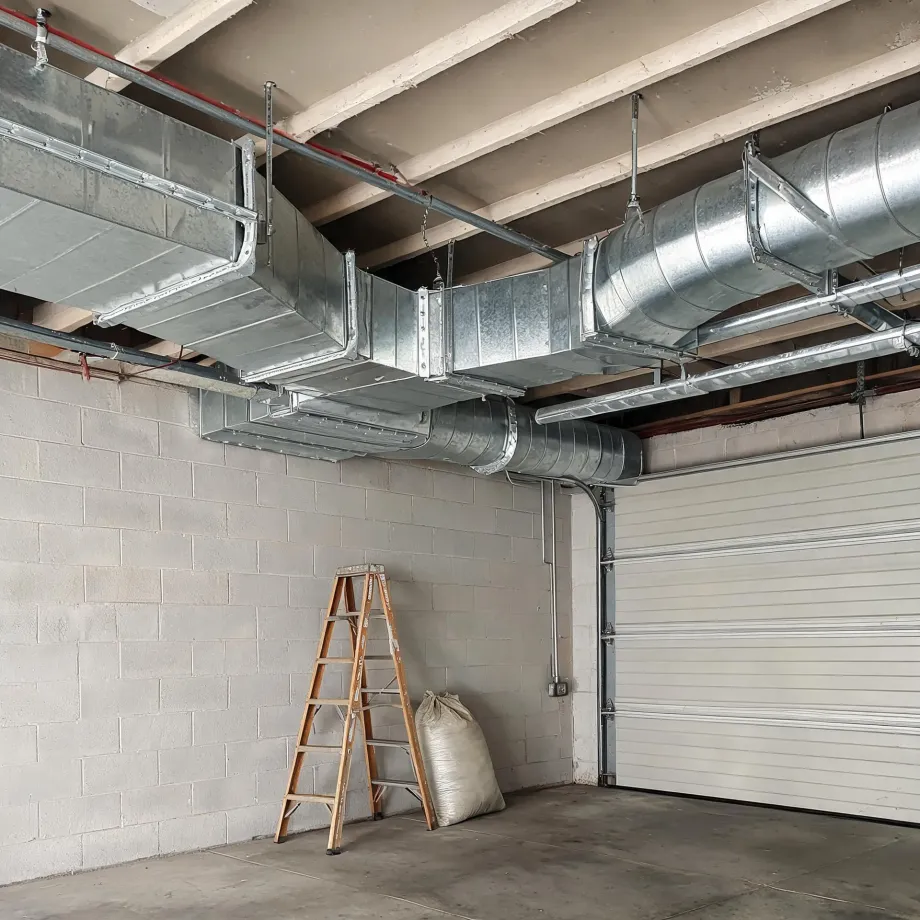
Ductwork and electrical service are what a heat pump installation actually turns on, and both were put into Camden County houses for whatever ran in them before. Half the homes in Camden County, Georgia were built in 1995 or earlier (2020-2024 ACS 5-year). A house built to that point was wired for the equipment of that period, and a heat pump draws power in a pattern that service from that era may not be configured to meet. A contractor has to open the panel and measure what is there before the quote means anything.
What to Know About a Heat Pump Before Installation
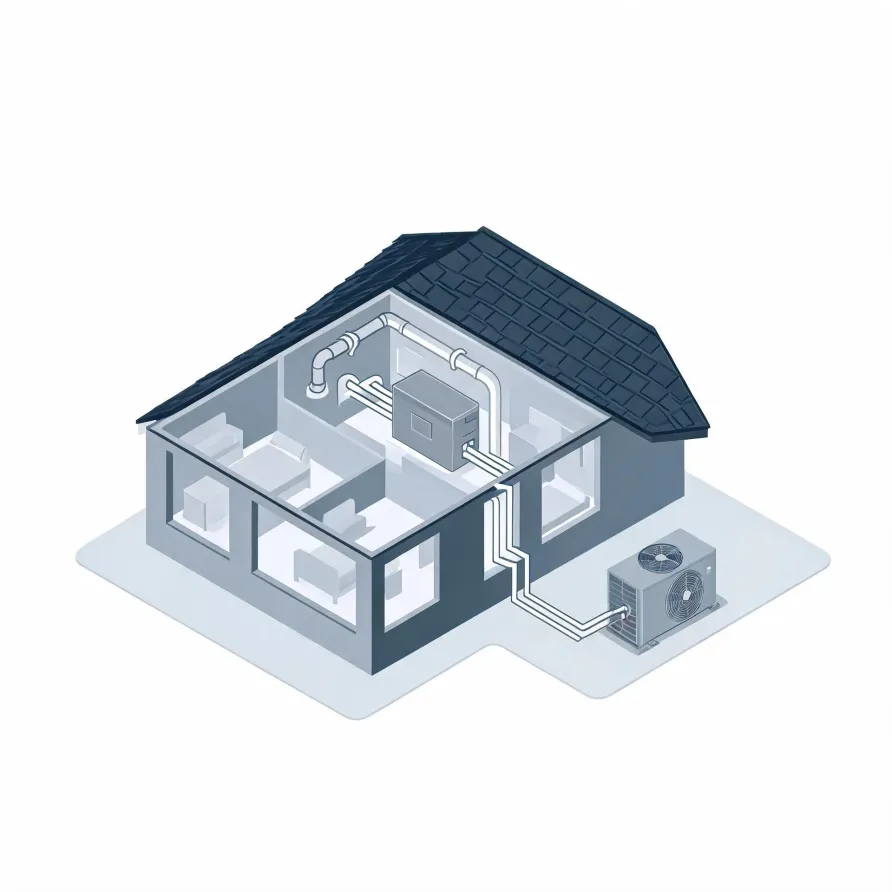
The outdoor unit is the piece most homeowners see first. It sits on a pad beside the house and holds the compressor and the outdoor coil, which together do the core work of moving heat between inside and outside. The indoor air handler mounts in a utility space, attic, or closet and pushes conditioned air through the home.
A refrigerant line set runs between the two units, carrying the working fluid that links them. A thermostat on an interior wall gives the homeowner control over the whole system, and a condensate drain line carries moisture away from the air handler to a floor drain or outside.
The drawing shows a general layout of these components, and a licensed contractor determines exactly how each one is configured for your house.
Get matched in Camden CountyCamden County by the Numbers
83 severe weather events were recorded in Camden County, Georgia between 2015 and 2024.
NOAA National Centers for Environmental Information, Storm Events Database, bulk CSV export, events 2015-01-01 through 2024-12-31.Half the homes in Camden County, Georgia were built in 1995 or earlier (2020-2024 ACS 5-year).
U.S. Census Bureau, 2020-2024 American Community Survey 5-Year EstimatesCamden County, Georgia holds 23,671 housing units (2020-2024 ACS 5-year).
U.S. Census Bureau, 2020-2024 American Community Survey 5-Year EstimatesOwners occupy 67.8% of the occupied homes in Camden County, Georgia (2020-2024 ACS 5-year).
U.S. Census Bureau, 2020-2024 American Community Survey 5-Year EstimatesSevere Weather Events in Camden County
Georgia's coastal plain puts Camden County in the path of weather that pushes heating and cooling equipment hard. A heat pump sized and installed for local conditions handles that load differently than one spec'd for somewhere else.
83 severe weather events, 2015–2024. Source: NOAA National Centers for Environmental Information, Storm Events Database.