Tell us about the job
Takes about a minute. No obligation.

A contractor quoting a heat pump installation in Johnson County has to size the system for what this area actually asks of it, not for a climate it does not have. 57 severe weather events were recorded in Johnson County, Georgia between 2015 and 2024. At that rate, severe weather is a real but occasional factor in the operating life of a system here. Age of the existing equipment, duct condition, and how well a previous install was done carry more weight in how a contractor specs the replacement than storm history alone does.
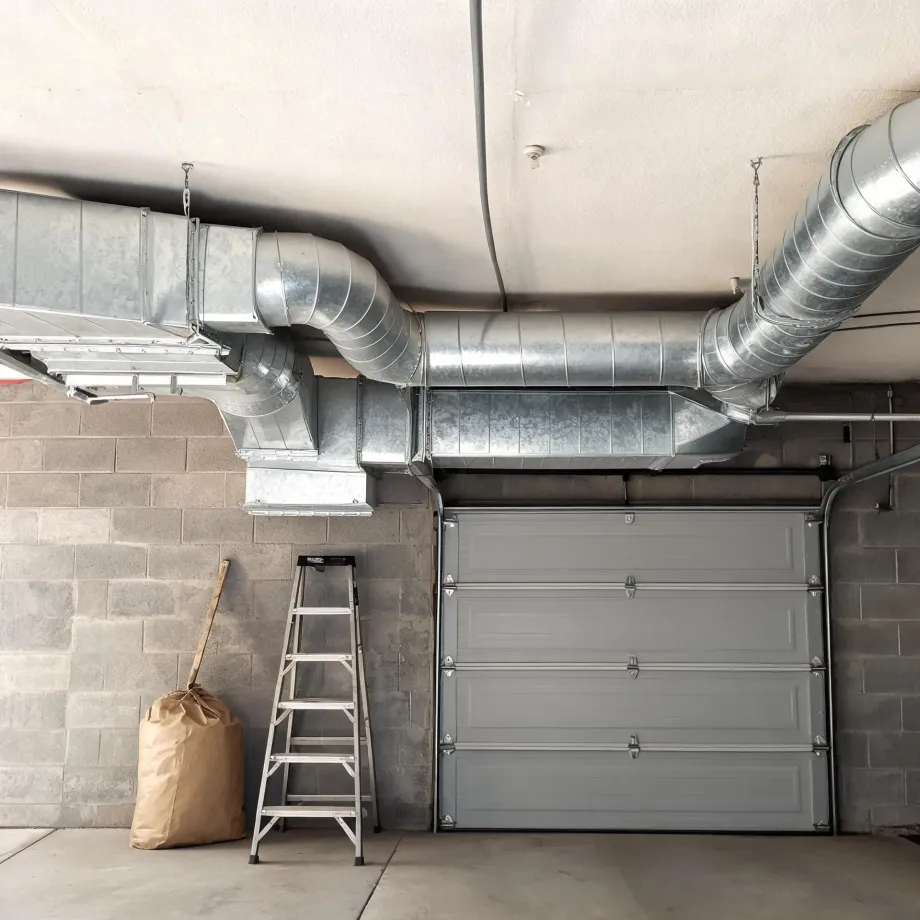
Ductwork sized for a different era of equipment and electrical service that was never designed to carry modern load are what a heat pump installation runs into in a significant share of Johnson County homes. Half the homes in Johnson County, Georgia were built in 1985 or earlier (2020-2024 ACS 5-year). A contractor quoting a new heat pump here has to establish what the existing duct system can actually move and what the panel will support before the equipment itself becomes the question. If the ducts are undersized or the service is short, those get addressed first, and the bill reflects it.
The Parts of a Heat Pump System and What Gets Bought
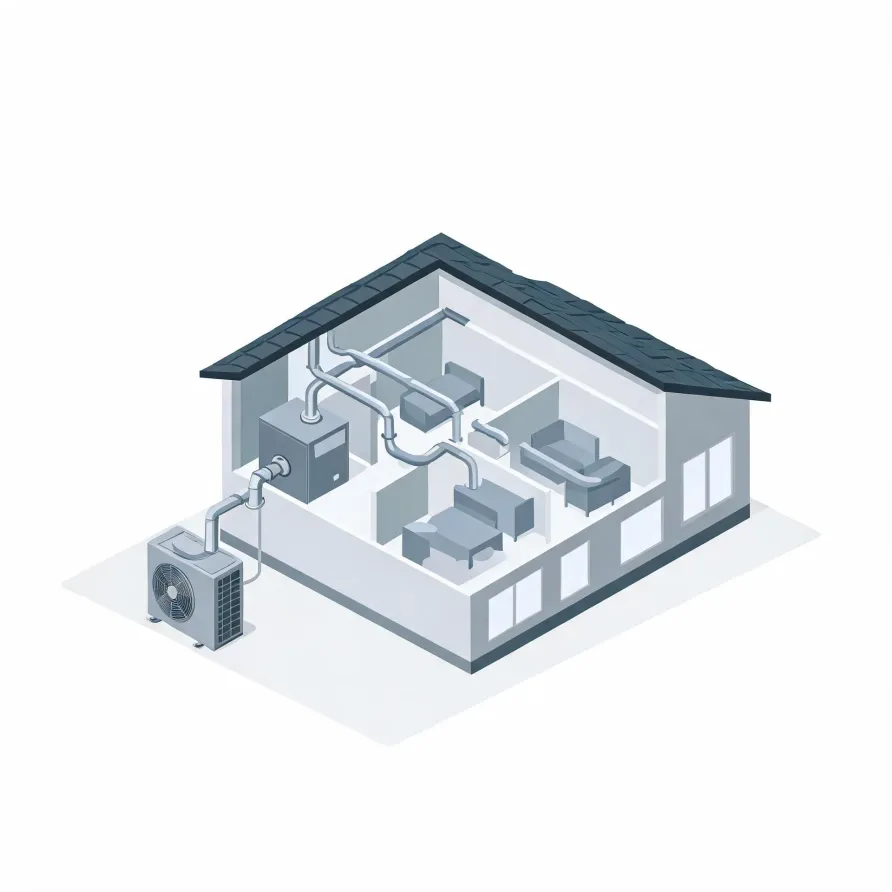
The outdoor unit is the piece a homeowner sees first, sitting on a pad beside the house. It holds the compressor and the outdoor coil, and it is where the system pulls heat from or pushes heat to depending on the season. The indoor air handler mounts inside, usually in a closet, utility room, or attic, and it moves conditioned air through the home.
A refrigerant line set runs between the two units, carrying refrigerant back and forth through insulated copper tubing. The thermostat sits on an interior wall and is the control point for the whole system, telling the air handler and outdoor unit when to run and at what output.
The drawing shows a general layout of these components, and a licensed contractor determines exactly how each one applies to your house.
Get matched in Johnson CountyJohnson County, Georgia, by the numbers
57 severe weather events were recorded in Johnson County, Georgia between 2015 and 2024.
NOAA National Centers for Environmental Information, Storm Events Database, bulk CSV export, events 2015-01-01 through 2024-12-31.Half the homes in Johnson County, Georgia were built in 1985 or earlier (2020-2024 ACS 5-year).
U.S. Census Bureau, 2020-2024 American Community Survey 5-Year EstimatesJohnson County, Georgia holds 3,560 housing units (2020-2024 ACS 5-year).
U.S. Census Bureau, 2020-2024 American Community Survey 5-Year EstimatesOwners occupy 75.9% of the occupied homes in Johnson County, Georgia (2020-2024 ACS 5-year).
U.S. Census Bureau, 2020-2024 American Community Survey 5-Year EstimatesSevere Weather Events in Johnson County
Weather conditions drive how hard heating and cooling equipment works over its lifetime. A heat pump sized and installed for local conditions holds up better than one spec'd without that context.
57 severe weather events, 2015–2024. Source: NOAA National Centers for Environmental Information, Storm Events Database.