Tell us about the job
Takes about a minute. No obligation.
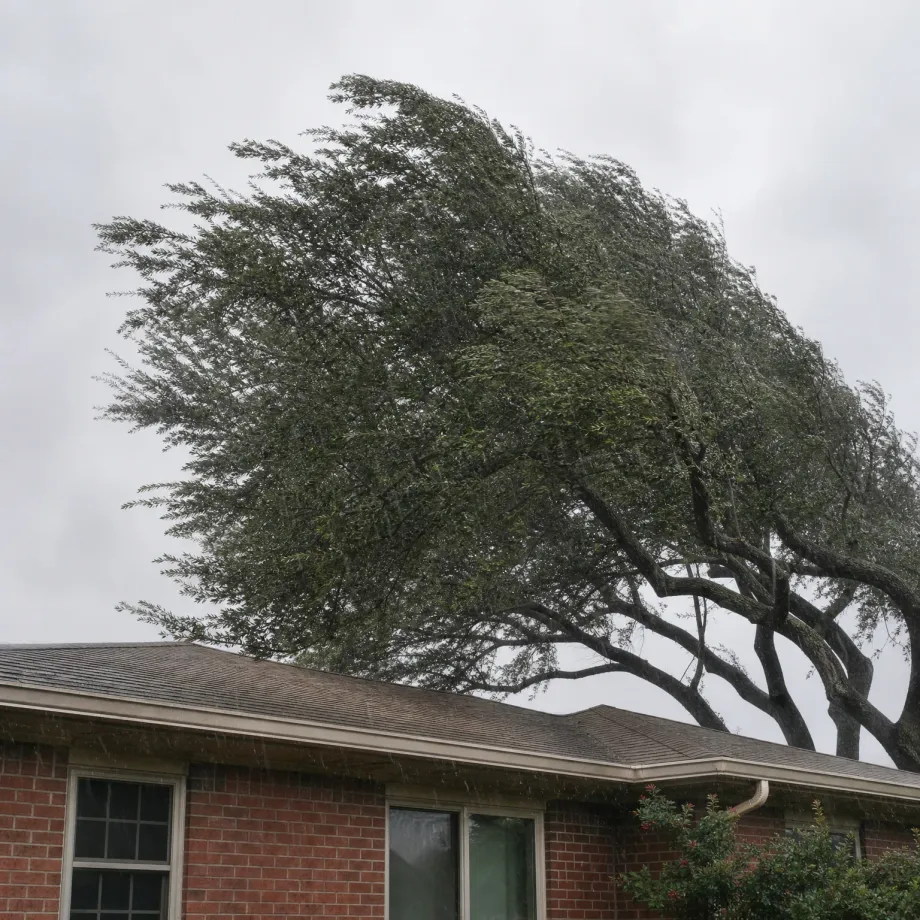
A heat pump failing in Gordon County is probably not failing because of the weather. 70 severe weather events were recorded in Gordon County, Georgia between 2015 and 2024. At that rate, severe weather is an occasional event here, and most systems have not been pushed hard by it. When a contractor opens a unit and finds a worn compressor or a failing reversing valve, the more likely explanation is how long the system has been running, how well it was installed, and whether it has been serviced. A diagnosis that skips those questions and blames the climate is skipping the work.
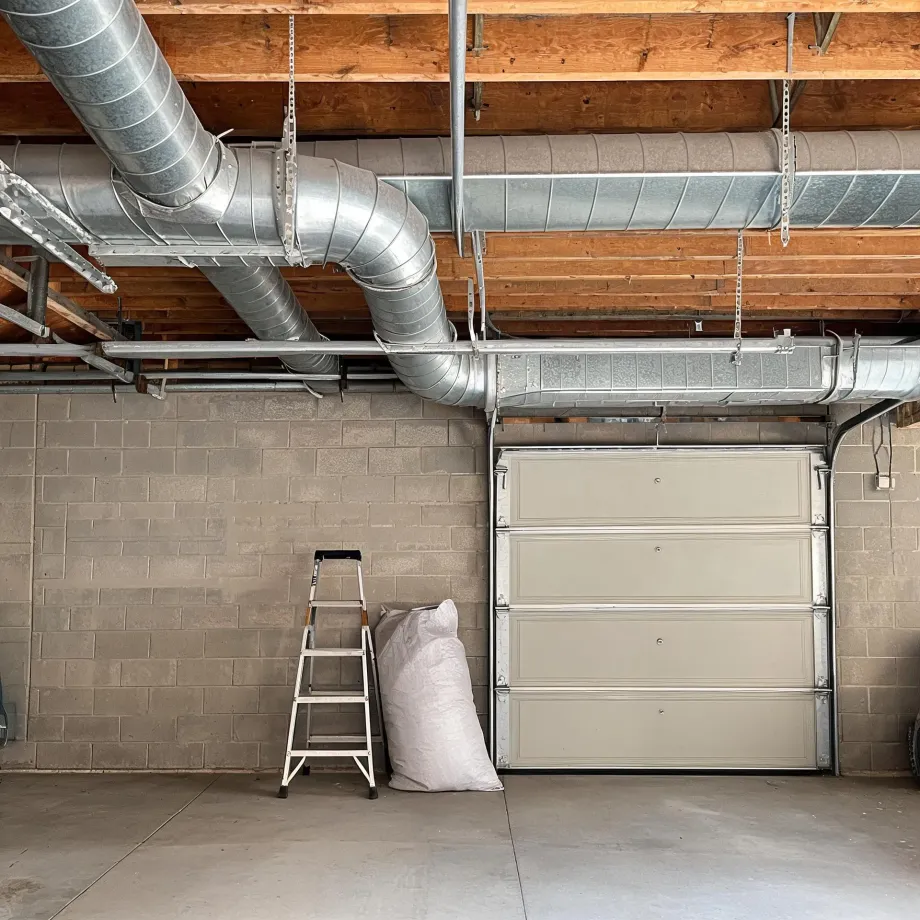
Half the homes in Gordon County, Georgia were built in 1987 or earlier (2020-2024 ACS 5-year). That puts a contractor opening a heat pump in a house from that era into wiring and line sets that were sized for whatever unit went in at some earlier point, and those choices do not always line up with what a current repair needs. A disconnect box that is undersized for the load, or refrigerant lines that have been spliced or run in ways that complicate a recharge, can turn a straightforward repair into a longer job once the unit is open. The equipment itself may be the simpler part of the bill.
The Parts of a Heat Pump a Contractor Checks First
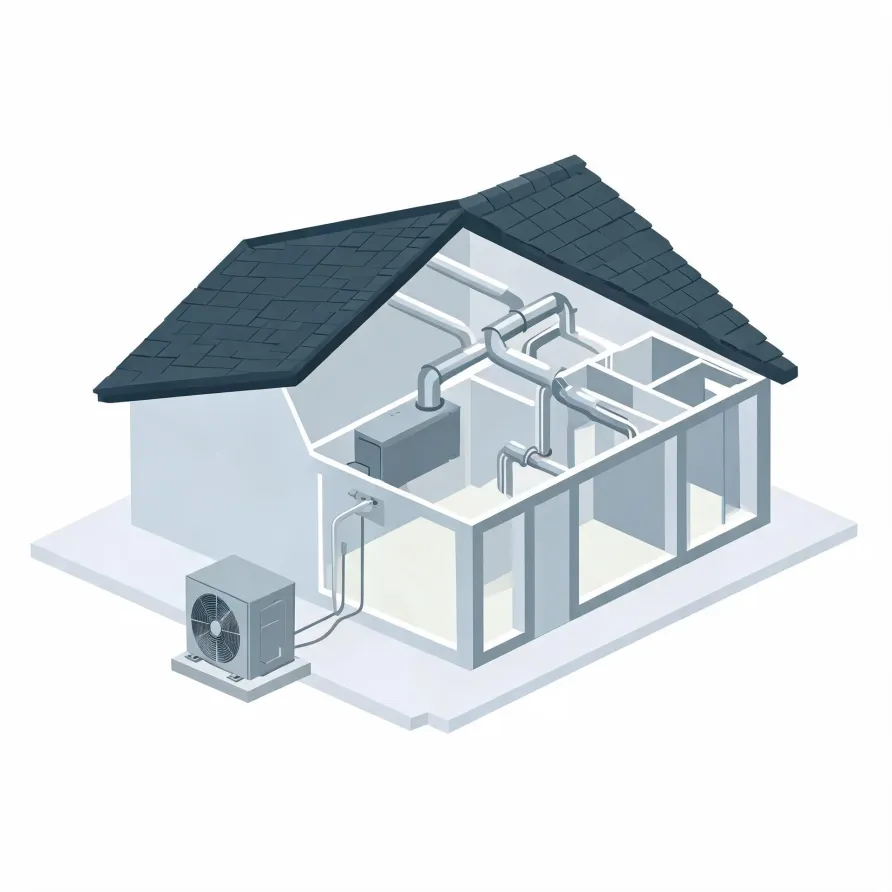
The outdoor unit sits on a pad beside the house and holds the compressor, which is the part most likely to be the source of a serious problem, and the condenser coil that surrounds it. The air handler lives inside, usually in a closet, attic, or utility room, and moves conditioned air through the home. Both are early stops for a contractor working a repair call.
The refrigerant lines run between the two units and carry the working fluid that makes the whole system function. The reversing valve sits inside the outdoor unit and is what allows a heat pump to shift between heating and cooling. The expansion valve and the electrical controls built into each unit round out what a contractor will test and inspect.
The drawing shows a typical layout, and a licensed contractor determines exactly which components apply to your particular system.
Get matched in Gordon CountyGordon County, Georgia, by the numbers
70 severe weather events were recorded in Gordon County, Georgia between 2015 and 2024.
NOAA National Centers for Environmental Information, Storm Events Database, bulk CSV export, events 2015-01-01 through 2024-12-31.Half the homes in Gordon County, Georgia were built in 1987 or earlier (2020-2024 ACS 5-year).
U.S. Census Bureau, 2020-2024 American Community Survey 5-Year EstimatesGordon County, Georgia holds 23,562 housing units (2020-2024 ACS 5-year).
U.S. Census Bureau, 2020-2024 American Community Survey 5-Year EstimatesOwners occupy 73.9% of the occupied homes in Gordon County, Georgia (2020-2024 ACS 5-year).
U.S. Census Bureau, 2020-2024 American Community Survey 5-Year EstimatesSevere Weather Events in Gordon County
Extreme weather puts heat pumps under sustained stress, and repeated hard cycles wear components faster than ordinary use does. How often that happens here shapes what local repair work actually looks like.
70 severe weather events, 2015–2024. Source: NOAA National Centers for Environmental Information, Storm Events Database.