Tell us about the job
Takes about a minute. No obligation.
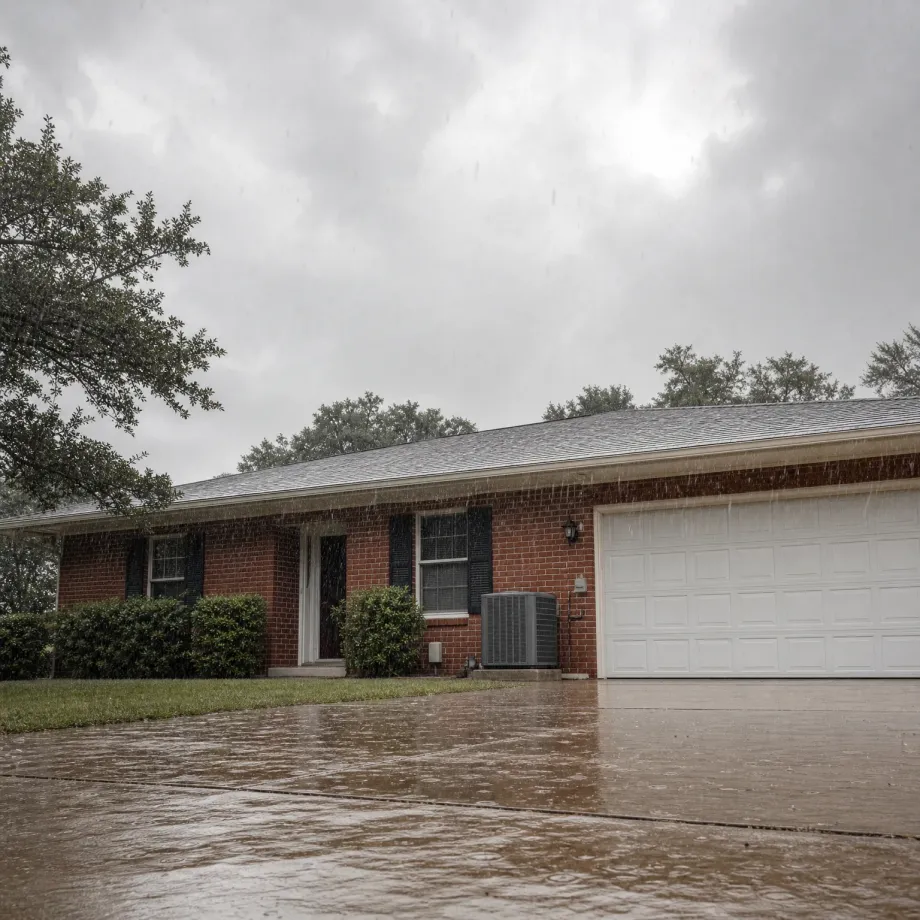
A heat pump that stops working in Murray County is almost certainly not failing because the area has pushed it too hard. 55 severe weather events were recorded in Murray County, Georgia between 2015 and 2024. At that rate, severe weather is an occasional event here rather than a standing load, and it does not account for a dead compressor or a refrigerant problem. What a contractor finds inside a struggling system is more likely to trace back to how old the equipment is, how it was installed, or how consistently it has been serviced.
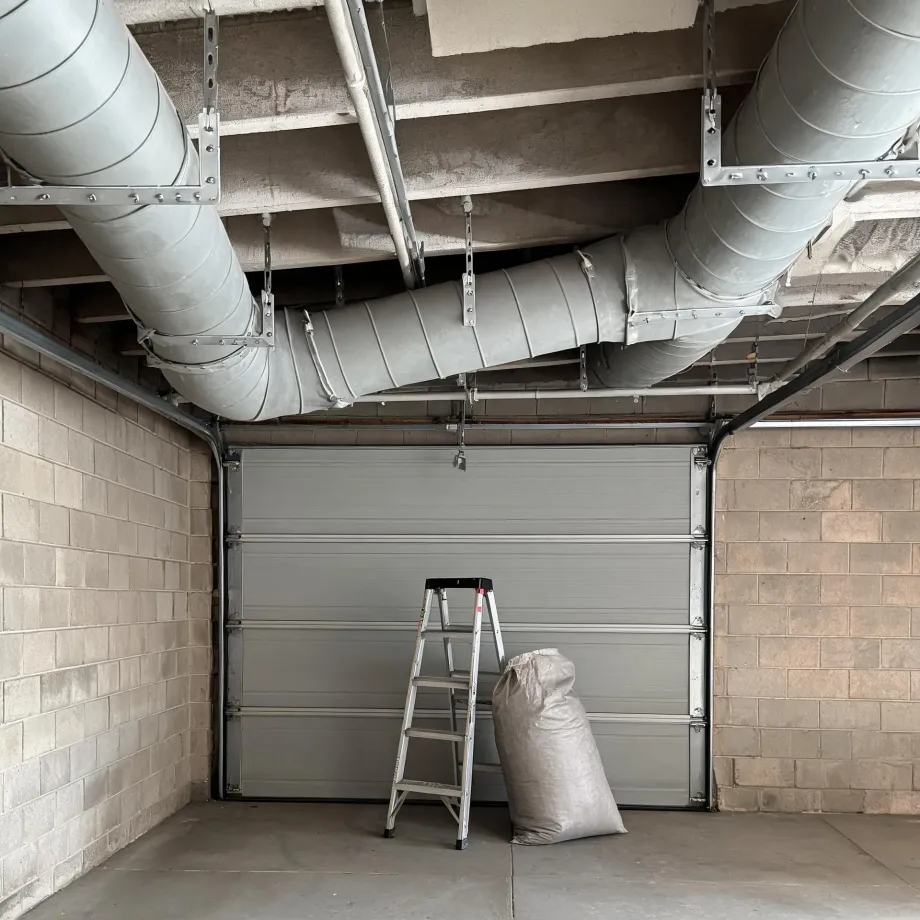
Heat pumps in houses built to the standards of this county's older stock tend to arrive at repair calls with compressors and reversing valves that have been working hard for a long time. Half the homes in Murray County, Georgia were built in 1993 or earlier (2020-2024 ACS 5-year). A contractor opening a unit in a house like that is looking at refrigerant-side components and contactors already deep into their wear cycle, and parts availability for systems of that vintage is the first thing they price before anything else. If a specific part is no longer stocked, the repair cost changes substantially.
The Parts of a Heat Pump a Contractor Checks First
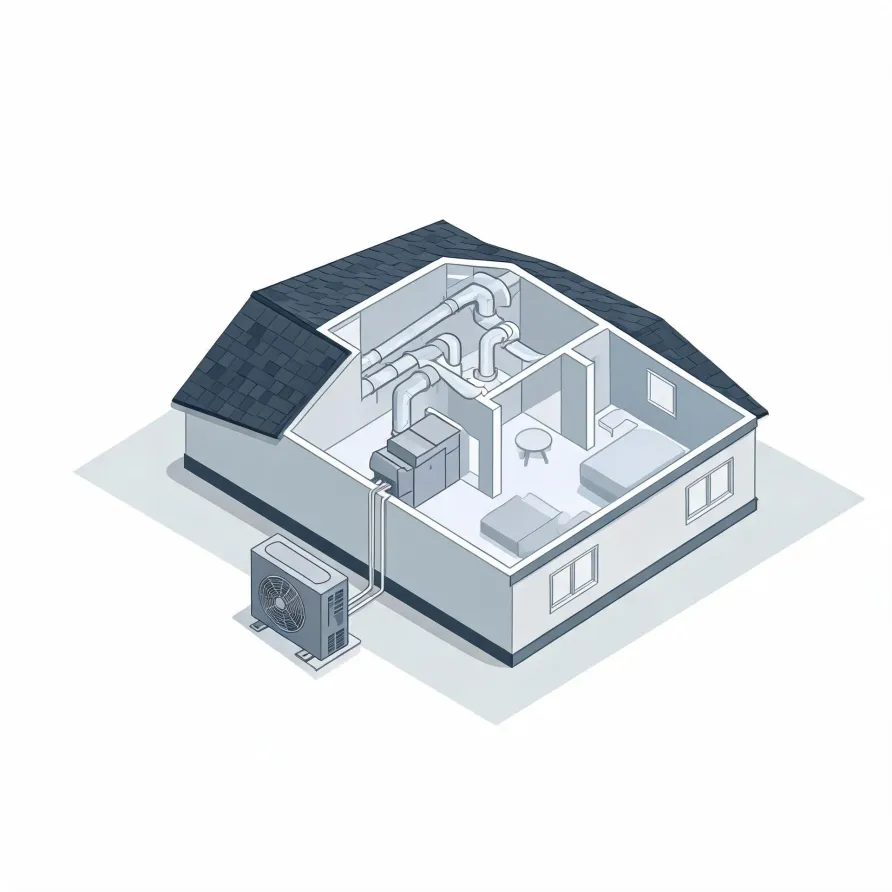
The outdoor unit is usually where a repair call starts. It houses the compressor, which is the heart of the system, along with a coil and a fan. When the system runs but delivers no heating or cooling, or makes noise it did not make before, the outdoor unit is where a contractor looks first.
Inside the house, the air handler holds a second coil and a blower that moves conditioned air through the home. A reversing valve, which can sit in either unit depending on the equipment, tells the system which direction to run. The thermostat and the refrigerant lines that connect both units also factor into a diagnosis.
The drawing shows a typical layout, and a licensed contractor determines which components apply to your specific system and what, if anything, needs attention.
Get matched in Murray CountyMurray County, Georgia, by the numbers
55 severe weather events were recorded in Murray County, Georgia between 2015 and 2024.
NOAA National Centers for Environmental Information, Storm Events Database, bulk CSV export, events 2015-01-01 through 2024-12-31.Half the homes in Murray County, Georgia were built in 1993 or earlier (2020-2024 ACS 5-year).
U.S. Census Bureau, 2020-2024 American Community Survey 5-Year EstimatesMurray County, Georgia holds 16,241 housing units (2020-2024 ACS 5-year).
U.S. Census Bureau, 2020-2024 American Community Survey 5-Year EstimatesOwners occupy 73.8% of the occupied homes in Murray County, Georgia (2020-2024 ACS 5-year).
U.S. Census Bureau, 2020-2024 American Community Survey 5-Year EstimatesSevere Weather Events in Murray County
Weather puts a measurable load on heating and cooling equipment, and that load is not the same everywhere. What the climate does in Murray County shapes how hard a heat pump works and what repair needs show up over time.
55 severe weather events, 2015–2024. Source: NOAA National Centers for Environmental Information, Storm Events Database.